
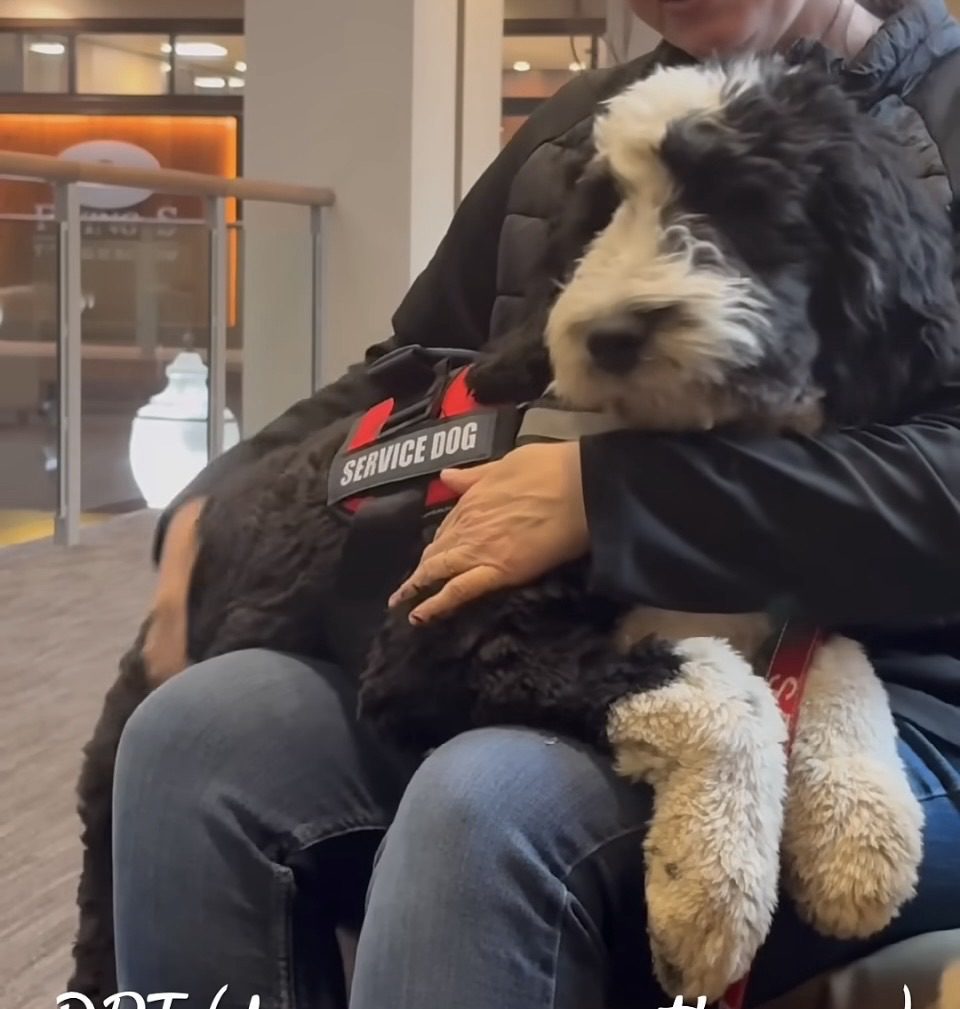
Do I qualify for a service dog?
Unlike emotional support animals or pets, a service dog must undergo rigorous training to perform specific tasks to assist its owner to navigate life. Once a need is recognized, a search for a dog that meets those needs begins. Ask many questions to assure you have found the right companion.
Identifying Necessary Tasks
After meeting diagnostic criteria, handlers must identify the specific tasks required to support daily independence. These essential tasks include:
- Mobility assistance and physical stability support
- Psychiatric interruption, such as PTSD grounding or anxiety alerts
- Sensory navigation for visual or auditory impairments
- Deep pressure therapy to manage acute distress and anxiety
- Specialized medical alerts for sudden seizures or blood sugar shifts
Selecting and Training the Candidate
Whether sourcing a dog from a professional breeding line or training a candidate in-house, the animal must possess a stable temperament. Selected dogs require zero public aggression, high stress resilience, and thorough obedience training. They must master public access protocols and specialized task conditioning to perform reliably in busy public environments.
Rights and Public Access Standards
Handlers partnered with fully trained service dogs enjoy federal protections under the Americans with Disabilities Act. These protections grant access to public spaces where pets are typically prohibited, including restaurants, grocery stores, and medical facilities. Public establishments may only ask two questions if the animal’s status is unclear: whether the dog is required because of a disability, and what work or task the dog has been trained to perform. Understanding these legal boundaries ensures handlers can navigate daily life smoothly while maintaining high standards of canine behavior and public etiquette.
